Still Active, But Limited by Chronic Pain?

Private chronic pain evaluations for active adults who want to keep walking, golfing, playing pickleball, exercising, traveling, gardening, and staying independent.
If pain keeps coming back despite rest, stretching, injections, medications, PT, massage, chiropractic, braces, or activity modification, the next step may be a more structured evaluation.
Determine whether your condition is appropriate for structured regenerative care before committing to treatment.
Includes:
✓ Clinical assessment
✓ Biomechanical evaluation
✓ Shockwave candidacy assessment
✓ Treatment recommendations
✓ No obligation
Prefer to Call For More Information or to Schedule an Appointment
This Page Is for Residents Who Want to Stay Active
Many people who scan this page are still active — but pain is starting to limit what they enjoy.
Walking is becoming harder
Golf or pickleball causes flare-ups
Stairs, travel, or longer outings are limited
Pain improves temporarily, then returns
You have already tried several things
You are not ready to give up activities you enjoy
Common Conditions We Evaluate
We focus on chronic and recurring pain conditions that interfere with training, sport, walking, golf, pickleball, fitness, and active living.
Plantar Fasciitis / Heel Pain
For heel pain that limits walking, golf, training, or first steps in the morning.
Knee Pain / Arthritis
For knee pain that affects stairs, squats, walking, pickleball, golf, or lower-body training.
Hip Pain
For hip pain, stiffness, mobility loss, or pain that affects walking, squatting, golf, or pickleball.
Shoulder / Rotator Cuff Pain
For shoulder pain that limits lifting, swinging, serving, reaching, or upper-body activity.
Low Back Pain
For chronic or recurring low back pain that affects movement, rotation, walking, or training.
Elbow Pain
For tennis elbow, golfer’s elbow, gripping pain, lifting pain, or repetitive arm strain.
Neck Pain
For neck pain or stiffness that affects posture, rotation, exercise, golf, or daily function.
Not sure if your condition fits? Start with an evaluation.
What Happens During Your Evaluation
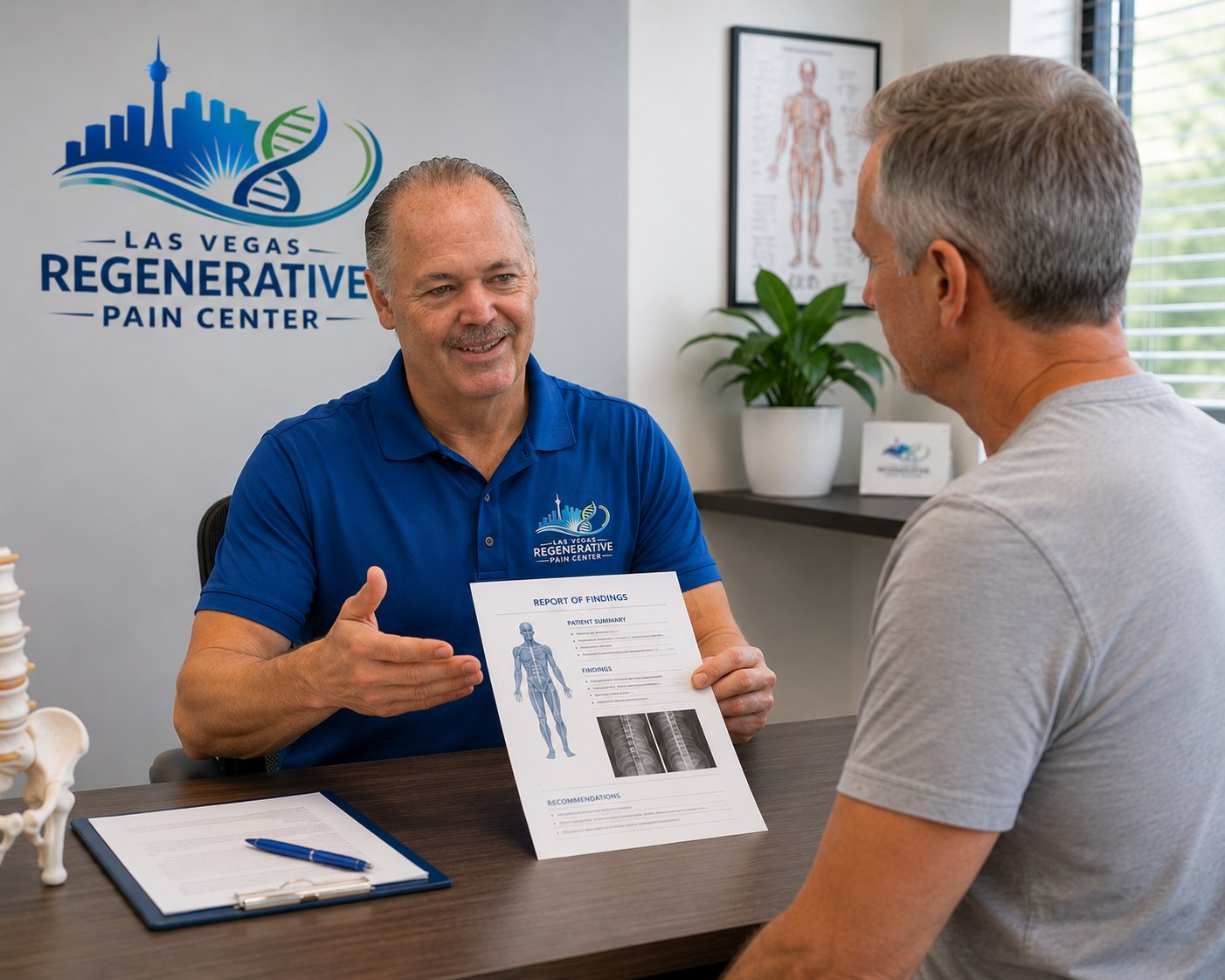
The first visit is designed to determine whether your condition appears appropriate for our care model. It is not a pressure-based treatment visit.
1. Pain History Review
We review how long the pain has been present, what aggravates it, and what you have already tried.
2. Movement & Mechanics Assessment
We look at how movement, loading, and compensation may be contributing.
3. Pain Mapping
We identify the primary pain area and tissue sensitivity patterns.
4. Candidacy Discussion
We explain whether your condition appears appropriate for our care model.
5. Clear Next Step
You receive a recommendation if care appears appropriate.
Request a Private Chronic Pain Evaluation
Complete the form below and our office will contact you to discuss whether an evaluation may be appropriate.
Why Pain Keeps Returning
Recurring pain is rarely just about one sore spot. It may involve tissue sensitivity, joint stress, movement habits, compensation, workload, and how your body responds over time.
Pain Keeps Limiting Activity
Walking, golf, pickleball, exercise, travel, gardening, stairs, or sleep may still be affected.
A More Structured Evaluation May Help
The goal is to understand why the pain keeps returning and whether you may be a candidate for care.
Prior Care Did Not Fully Solve It
PT, injections, medications, massage, chiropractic, braces, or rest may not have fully addressed the problem.
A Structured Approach for Active Adults With Chronic Pain
LVRPC is designed for people who want to stay active. The practice focuses on chronic and recurring pain in active adults, that have not found lasting resolution from previous care.

Focused Shockwave Therapy
Focused shockwave therapy is used as the primary treatment driver when your evaluation indicates it may be appropriate.
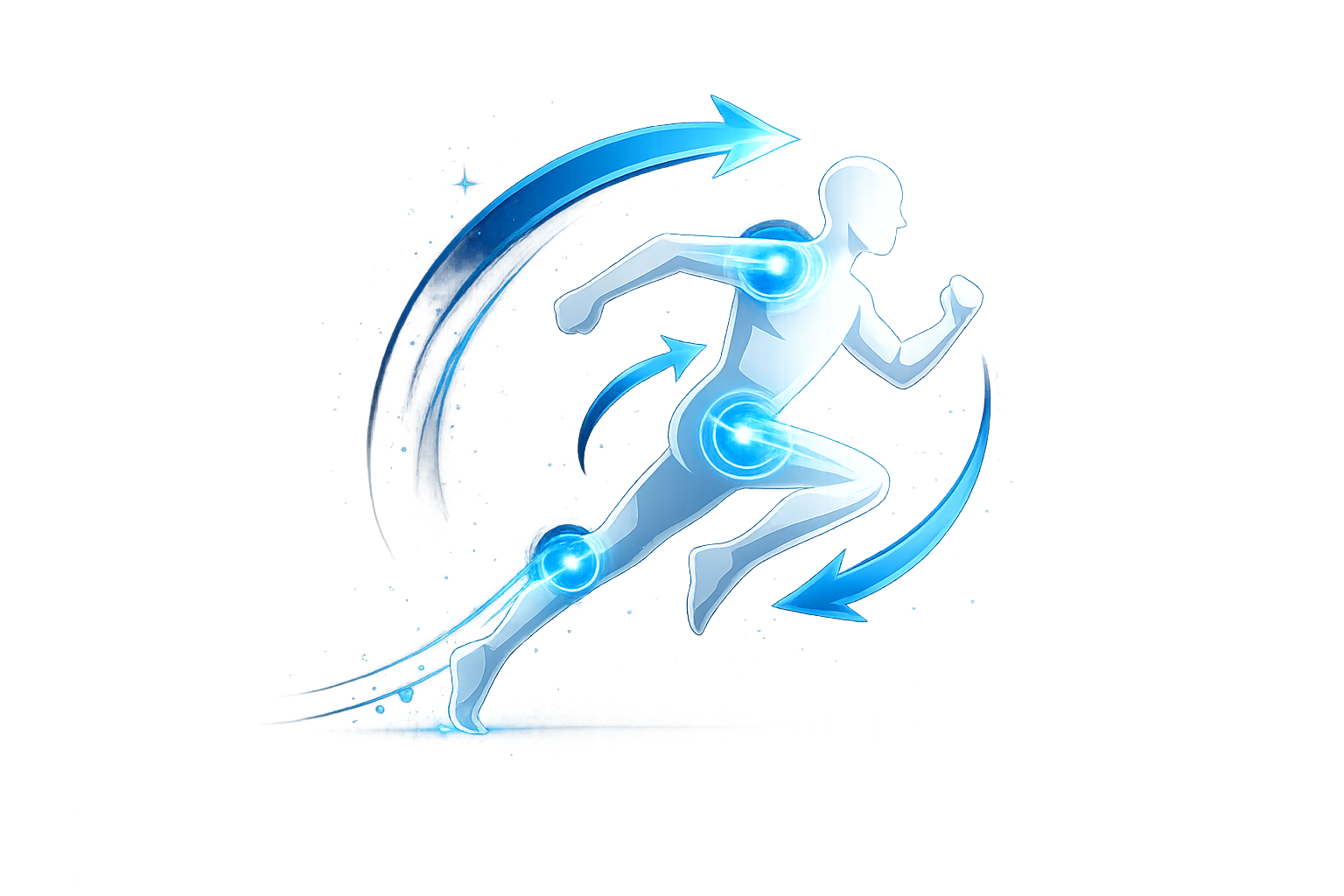
Biomechanical Evaluation
We look at how movement, loading, compensation, and mechanics may be contributing to recurring pain.

Rapid Release Integration
Rapid Release may be used to support soft-tissue mobility and reduce mechanical restriction.
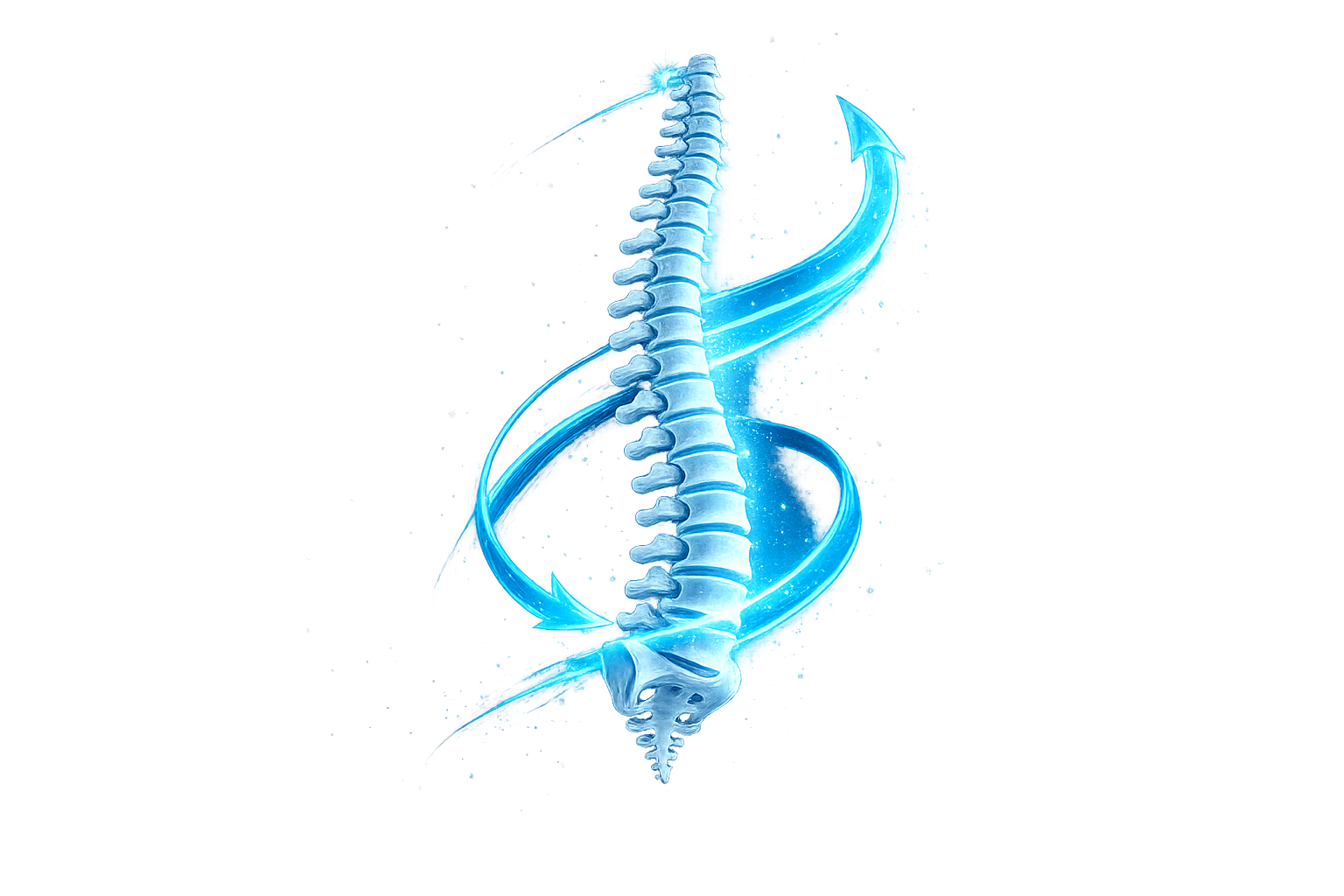
Chiropractic Support
Chiropractic care may be used selectively when joint mechanics, mobility, or spinal function are contributing factors.
What This Is — and What It Is Not
This Is
A private chronic pain evaluation
A structured candidacy process
Focused on active adults
Built around movement, function, and activity goals
Appropriate for people dealing with recurring pain
Designed to determine whether you are a good fit for care
This Is Not
An insurance-based appointment
A free treatment visit
A quick adjustment-only visit
A pain medication visit
An injection clinic
A guarantee of results
A replacement for emergency or urgent medical care
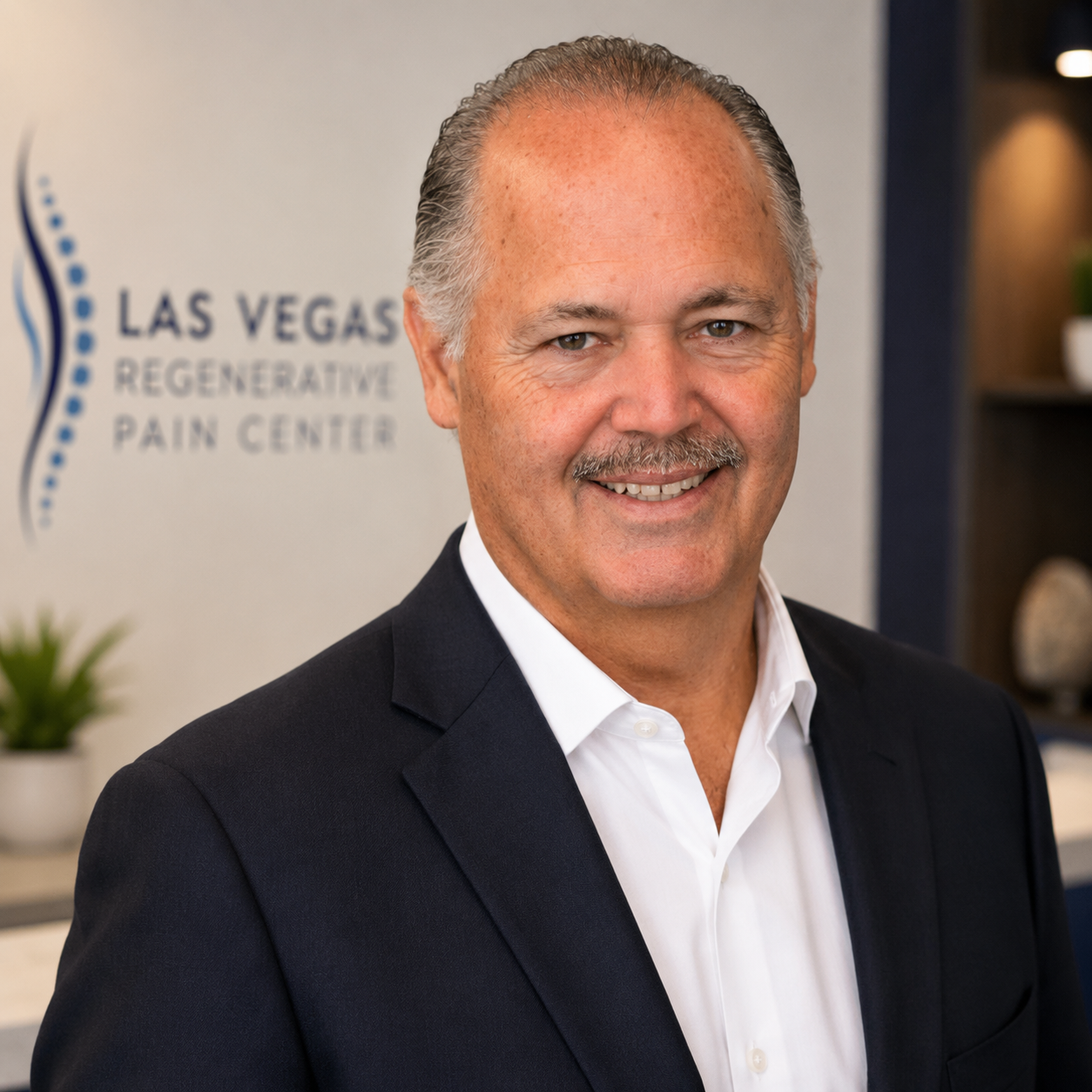
Meet Dr. Brian Glaudini
35+ Years of Clinical Experience Helping Patients Stay Active
Dr. Brian Glaudini founded Las Vegas Regenerative Pain Center for active adults dealing with chronic and recurring pain that limits walking, golf, pickleball, exercise, travel, and daily activity.
With more than 35 years of clinical experience, his focus is helping patients determine whether their condition fits a structured care model built around movement evaluation, focused shockwave therapy, Rapid Release integration, and chiropractic support when appropriate.
The first step is not treatment. The first step is determining whether you are a good candidate.
Frequently Asked Questions
-
If you have already tried these things and are still having problems, then you are possibly the perfect candidate. An evaluation will let us know for sure.
-
Focused shockwave therapy uses acoustic energy directed into targeted tissue. At LVRPC, it is used as the primary treatment driver when the evaluation indicates it may be appropriate.
-
No. Insurance does not cover our structured regenerative care. The insurance model is more for symptom chasing rather than fixing.
-
Your first visit is primarily an evaluation. If your case is appropriate and Dr. Glaudini recommends care, the plan, timeline, and investment will be reviewed with you before you leave. If you choose care, you can start right away.
-
You will be told directly. Not every condition belongs in our care model. If your case does not appear appropriate, we will not pressure you into care.
-
Bring any relevant imaging reports, prior treatment history, a list of previous care, and your main activity goals.
You Do Not Have to Guess Whether This Is the Right Fit
The first step is not treatment. The first step is determining whether your condition appears appropriate for a structured regenerative care approach.